Aren’t you tired of “Oops I sneezed” advertisements telling you that you should be ashamed of your stress incontinence? We are. One in three of all 20-85 year olds experience some form of bladder leaks or sensitivity. One in three. That’s around 6 million people in the UK alone. Yet we are still making a big effort to keep the issue on the down low, despite how glaringly prevalent it is. So what is it and why do we need to start talking about it?
Contrary to the belief it’s a domain which affects only the elderly or only women, urinary incontinence is experienced by people of all ages. There are a many factors which can affect continence levels. This does partially include ageing but pelvic floors are also affected by diet, medication, weight and many other health conditions. The largest causes of light incontinence for younger people and women are those who have given birth.
Stress incontinence
Stress incontinence is when leaks happen due to pressure on the bladder, and it’s very common. Small leaks can be caused by laughing, coughing, sneezing, lifting heavy things and other forms of physical stress. And these things happen, really regularly. So we need to change embarrassment to “that’s how my body functions.”
Communication is key
When we exchange experiences we de-stigmatise the issue, help take away feelings of shame and can share advice! Many tricks to manage incontinence are unexpected and easier than you would think. One tip for example is cutting down caffeine intake – meaning less or no coffee, tea (including green tea!), chocolate, or energy drinks. Keeping quiet about a problem results in gaps in education, with many people not really knowing much about the bladder and its abilities or solutions.
Prevailing taboos
Because of pervasive stigma, people are too often ashamed to talk about their experiences with incontinence products. This is true if people experience intimate irritation or problems with incontinence pads when they should be able to complain loud and clear! Most conventional incontinence products contain up to 90% plastic, bringing discomfort and irritations to many. Those experiencing bladder sensitivity wear incontinence liners, pads or underwear every day, and often suffer in silence due to their impact of those products on their intimate skin. Layers of plastic means skin can’t breathe properly and can be irritated by super absorbent polymers which can dry out the skin.
Environmental impact
It’s not just people suffering from the impact of incontinence. The earth is experiencing extreme levels of plastic pollution. There are vast amounts of plastic from incontinence pads going into landfills every single day.
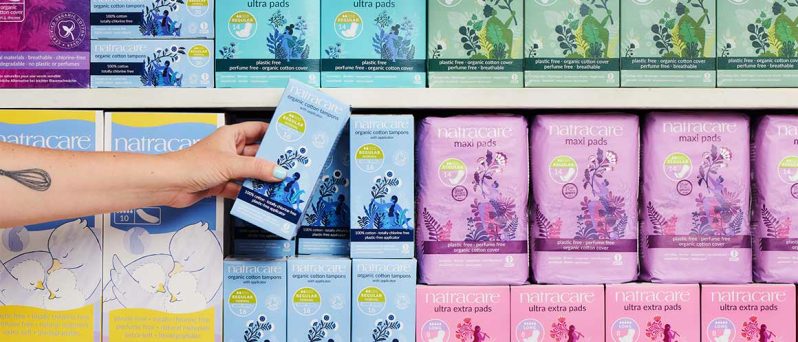
Natracare aims to solve problems for people and the planet with dry & light incontinence pads. The pads are free from oil-based plastics, made from organic and natural materials, and they are 95% biodegradable. The top sheet is made from organic cotton to sit next to sensitive skin every day. They are the first natural alternative to conventional incontinence products, they are recommended by gynaecologists and dermatologists.
Natracare dry & light pads are designed for light bladder leaks and stress incontinence. Available in the following absorbencies:
- dry & light Slim incontinence pad (100 ml)
- dry & light Plus incontinence pad (170 ml)