



It’s normal to have questions about your period, it’s such an important part of growing up. Whether you’ve just started yours or are about to, here’s everything you’ll need to know about your first period!
Why do periods happen?
During puberty and into adulthood, the menstrual cycle starts. Periods are part of the processes that allow the body to reproduce. There is a change in hormones, the uterus will cause the body to release an egg from one of two egg sacks, called ovaries.
When the egg is released the body prepares for a pregnancy and the womb lining thickens. The egg then travels to the womb via the fallopian tube. Usually, the egg passes through the fallopian without being fertilised and then safely dissolves. Since the womb no longer needs to be ready to grow a fertilised egg, it sheds the thickened womb lining out through the vagina. This loss of tissue is called menstruation or a period.
Only if the egg is fertilised by sperm during sexual intercourse will the womb keep the lining and prepare for pregnancy. The menstrual cycle happens almost monthly (except if pregnant) or until there are no more eggs to release (called the menopause).
When will I get my first period?
Periods are a sign that you have reached puberty, and the body is starting to mature into an adult. A first period can happen anywhere between the ages of 10 to 15 years old, but can also start as early as aged 8 or as late as aged 17. It takes between 4 to 6 years for your menstrual cycle to become well established.
How do I know when my period is coming?
Everyone experiences their period differently and the week leading up to it. Some common signs before starting a period might include:
- tender feeling breasts,
- a bloated or uncomfortable stomach,
- mood changes, like feeling more tired or grumpy,
- cramping or discomfort in the lower back, upper legs or stomach.
Some teenagers can feel moodier and spotty a few days before their period is due to start. Gradually you will get to know your own pre-menstrual signs and be prepared.
How long does a period last?
A period typically lasts for 3-7 days, what is normal varies from person to person. A period may start with a small amount of period blood, then get heavier for a couple of days and then less heavy until it stops. Sometimes the blood is a rusty colour and quite watery and sometimes it can be dark red and thicker. Only a small amount of actual blood, barely an eggcup full, is lost and the rest is tissue cells from the lining of the uterus.
How often will I have my period?
A period happens around once a month. The number of days between the first day of your period to the first day of the next period of the next month are known as the menstrual cycle. The length of the menstrual cycle varies from person to person, and can last as little as 21 days or as long as 35 days. There can also be some variation in the length of the menstrual cycle from month to month. When you first start menstruating, periods are more likely to be irregular as your body is starting out.
What is Premenstrual Syndrome (PMS)?
The week leading up to a period, it can be common to feel more emotional, moody or even angry. You may even prefer to eat only certain foods, and most likely, crave chocolate. This is called Premenstrual Syndrome or PMS for short. The hormones in your body change during the menstrual cycle and affect you both physically and mentally. When you start your period, these symptoms should go away quickly.
Try to be kind to yourself and aware that your body is going through this. It can really help to keep track your period and your mood and pre-menstrual symptoms. Certain foods and drink can make PMS worse. And certain supplements such as Evening Primrose Oil, vitamin B6, essential fatty acids and vitamin E can help to alleviate the symptoms of PMS. If you think you are suffering, speak to a trusted parent, guardian or doctor about it.
How will I feel during my periods?
You may feel tired and a bit grumpy if your periods are very heavy. You may also experience some discomfort or pain around the lower stomach, lower back or legs. A hot water bottle or cherry stone heat bag can help. If you’re able to, take time to relax and to eat healthily to avoid becoming over tired.
Will my first period hurt?
Period blood coming out of the womb through the vagin does not hurt. However, cramps are a common symptom during menstruation which may be felt in the legs, lower back or tummy. This cramping is usually caused by your body’s response to a hormone called prostaglandin, which cause the muscles in the uterus to contract. The same hormone can also cause you to get a headache before your period. Over the counter pain relievers will help if the pain prevents you from doing your usual activities. Putting a hot water bottle or wheat bag on your tummy may help to ease the cramps. It may only last a few days, but if it is so painful that it stops you from doing the things you would normally do, go and speak to your trusted parent, guardian or doctor about it.
Will other people know that I have my period?
Not unless you tell them! If you enjoy exercise, swimming and sport, you will still be able to take part and using the most comfortable pad or tampon will help you to feel more confident during these activities. Remember to change your pad or tampon often to stay comfortable.
What do I do if i get my first period in school?
Even before you start your period, it can be helpful to carry a few pads (or tampons) in your school bag all the time. Even if you don’t need them, a friend will be thanking you at some point! If you forget, or your period starts earlier than you expected, ask the school nurse for supplies. Some schools have dispensing machines in the toilets. If your period starts during a lesson, wrap a sweater or a jacket around your waist and go to the school nurse or a member of staff.
Will my breasts hurt?
Breast swelling and tenderness in the breasts are caused by the changes in the hormone levels just before a period. It is important to be sensible about the foods you eat and what you drink to help to manage the symptoms. Avoid salty foods and drinks that contain caffeine such as coffee, cola and fizzy drinks. Evening Primrose oil, Borage or flaxseed oil has been shown to be very helpful as are Vitamins B6 and E, also being careful about the types of foods you eat. Avoid junk foods and try to eat healthy foods based on grains, fish, beans, chicken and fresh vegetables and fresh fruit. Eat organically grown foods if you can and make sure you drink plenty of water too.
What pads should I use for my first period?
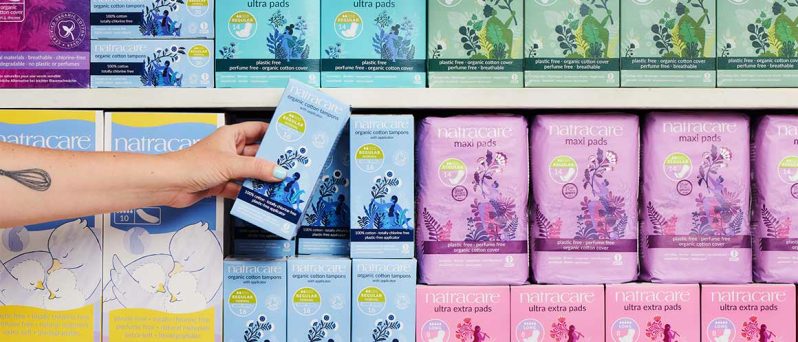
Menstrual pads fit inside your underwear usually by means of a sticky strip, and sometimes with wings to keep the pad in place. There are different types of pad and it is a matter of choice and personal preference which style to use. There are pads with and without wings. Pads are designed with different absorbencies for different stages of your period. Super, Long and Night Time pads are for when the blood loss is heavier at the beginning, and others, Regular pads are for lighter flows at the end of your period.
How long should I wear a pad?
Menstrual pads should be worn anywhere between 3-7 hours. You may need to change more regularly to match your menstrual flow. Super, Long and Night Time pads are for when the blood loss is heavier at the beginning and at night. Others such as Regular pads or panty liners are for lighter flows at the end of your period. It is good to change regularly to help feel and keep clean.
Can I use a tampon for my first period?
Tampons are worn inside the vagina to absorb period blood. It will be a matter of personal preference if you prefer tampons to pads. Tampons are available in different absorbencies to suit your flow (the amount of blood lost during a period). Some tampons are inserted using only your index finger (non-applicator tampons), and other tampons have an applicator, a tube that sits around the tampon (applicator tampons) to help insert a tampon into the vagina.
Still have some questions? Get in touch!

Hey, I just started my first period…well i think i did. I’m 14, about to be 15 and I know that’s a little later on the spectrum. But a couple of days ago I felt cramps and I started to break out. I was also being super moody to my parents. And wouldn’t you know it, I started right that night. I bled that night and then all day the next day and then it stopped and I haven’t bled any more since that day. Is that concerning? I don’t know what to think since I just started. Maybe its normal but all my friends say they bled multiple days the first time. And I know the first time can be a bit wonky and maybe the one-day bleeding was just that, but I can’t help but think there’s something wrong and it’s not normal. Any tips?
Hey, thanks so much for your message! It’s not uncommon for periods to be irregular when you first start, and it’s lkely they’ll become more regular over time. However, if you’re worried we encourage you to speak to a healthcare professional. They’ll be able to offer solid advice.