Over a decade ago in 2014, Veganuary began as a small campaign encouraging people to try a vegan diet for January. It quickly grew into a global movement with 2019 being declared “The Year of the Vegan”, sparking conversations around food systems, animal welfare, climate impact, and conscious living. Supermarket shelves expanded, restaurant menus diversified, and plant-based eating became more accessible than ever before.
But fast forward to today, it feels like the rise of veganism is evolving. Some vegan restaurants are closing or quietly adding meat to their menus. The word “vegan” has become politicised. Wellness culture has shifted towards high-protein, meat-heavy diets, while ultra-processed foods, including many vegan alternatives, are increasingly criticised online. As a result, fewer people are identifying strictly as vegan, and some are questioning what the movement looks like now.
But perhaps we need to return to what Veganism is about, and why it still matters.
Where Have All the Vegans Gone?
The changing visibility of veganism doesn’t necessarily mean that people have stopped caring about animals, the planet, or their health. Instead, it reflects broader cultural shifts. Veganism has, at times, been framed as a symbol of “wokeness” that some people feel distanced from. Cost of living pressures have made food choices more transactional. Political and media narratives have painted veganism as extreme or elitist. And after years of rigid food rules promoted online, many people are stepping away from labels altogether.
For some, ‘plant-based’ now feels more flexible and less loaded than “vegan”. For others, the focus has shifted to eating fewer ultra-processed foods, regardless of whether those are animal-based or not. What we are seeing is not a disappearance of values, but a reshaping of how those values are expressed.
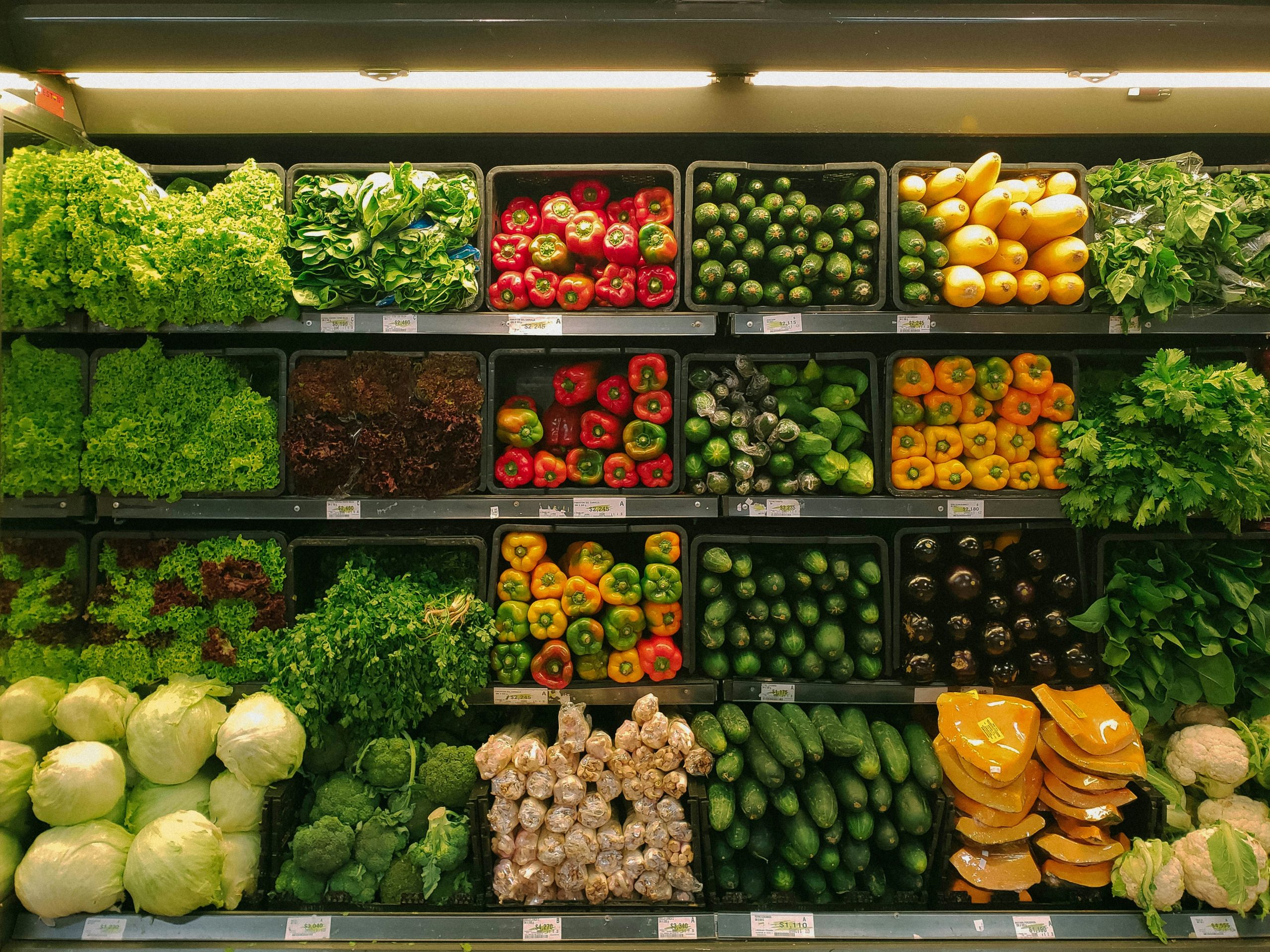
Wellness Culture, Protein Obsession, and the Backlash Against Vegan Diets
In recent years, wellness culture has taken a sharp turn. Where veganism has been labelled too “political” for mass appeal, meat has been increasingly positioned as essential for health. Social media is filled creators serving up steak and raw butter on wooden chopping boards, promoting “caveman” or high-protein diets. Claims that red meat supports hormone health, that carbohydrates are harmful, or that plant-based diets are inherently deficient are also being thrown around.
There is truth in parts of this conversation. Some plant-based alternatives are highly processed, and eating a diet primarily based on whole foods is generally beneficial for long term health. However, “ultra-processed” does not automatically mean harmful, just as “whole” does not always mean healthy. Meat can be processed, inflammatory, and environmentally damaging depending on how it’s produced and consumed.
What we do know is that wellness trends often swing between extremes, offering simple answers to complex issues. For people struggling with fatigue, hormonal symptoms and digestive issues, these wellness narratives can feel reassuring. But hormones are influenced by far more than one food group alone.
Hormones, Periods, and Nutrition: There Is No One-Size-Fits All
Hormone health is deeply individual. Stress levels, sleep, movement, genetics, and mental wellbeing all play important roles. Nutrition matters, but it’s not a magic fix. There is no one “correct” way to eat for hormonal balance.
A nutritious vegan or plant-based diet can absolutely support hormone health and regular menstrual cycles. Equally, some people may feel better including animal products, and that is fine too.
Veganism Is More Than a Diet
At its core, veganism was never just about what’s on your plate. It’s about reducing harm to animals, the environment, and our bodies. It is about questioning systems that prioritise convenience and profit over wellbeing and sustainability.
Even if someone no longer eats fully vegan, the principles of veganism still matter. For example, choosing plant-based materials and supporting cruelty-free bands are decisions that contribute to wider change.
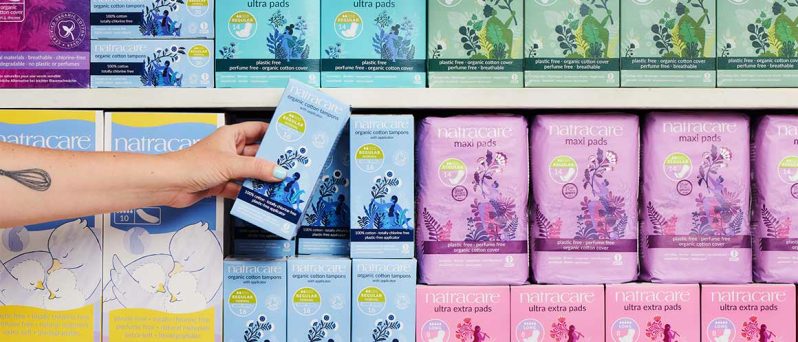
At Natracare, veganism is not a trend, it’s a commitment. Our period products are vegan and cruelty-free, made with plant-based materials and without harmful chemicals of concern. Because what products you use on your body matters, for ourselves and the planet.
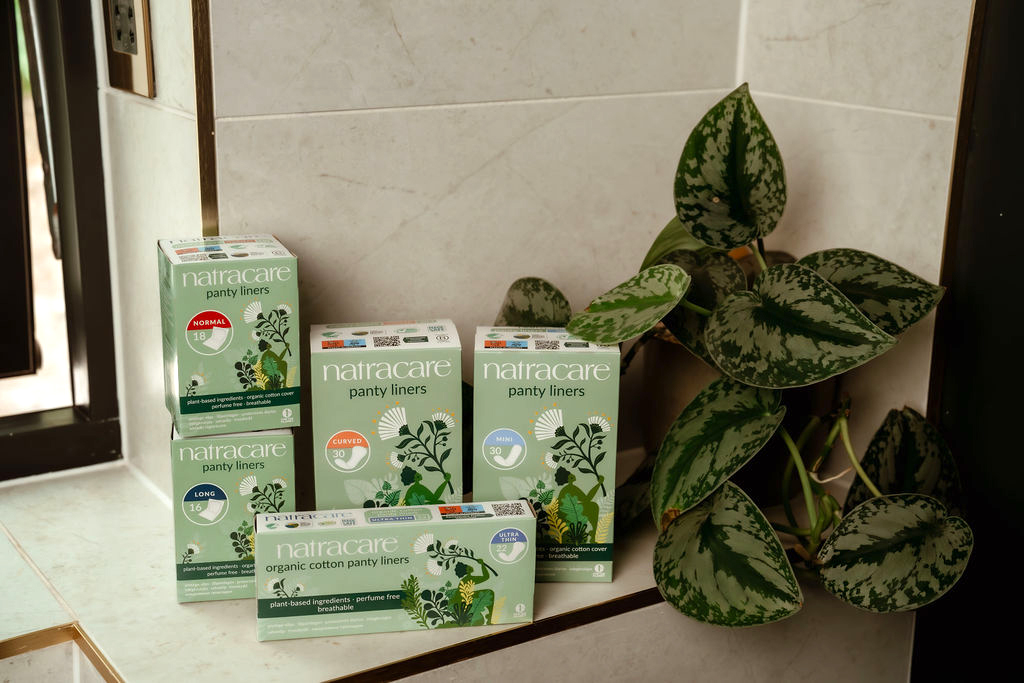
Vegan Period Care and Planet Care
Menstrual health is closely connected to environmental health. Many conventional period products contain plastics that have a lasting impact on our planet, including wildlife. Plastic waste becomes microplastics that animals mistake for food, and flushing plastic period products pollute the seas and harms marine wildlife. Choosing plant-based, vegan period care is a small but meaningful way to reduce exposure to unnecessary chemicals while reducing environmental impact.
Supporting your cycle doesn’t require extreme diets or rigid wellness rules. Opting for products that respect your body, listening to your energy levels, and your body is more than enough.
The Future of Veganism: Why it Still Matters
Perhaps the future of veganism is less about perfectionism and more about intention. Stepping away from food trends and making choices that are rooted in care. Veganism has always been about compassion for animals, the environment, and ourselves. Even as wellness trends shift, those values remain deeply important.
You can support your hormones, your period, and the planet in a way that works for body. Choosing care, in whichever form that takes, is why veganism still matters.