As more people look to make conscious choices about what they put on and into their body, sustainability has become an essential part of the conversation. Particularly for period care. With recent findings showing harmful chemicals and ingredients found in period products, to thousands of them being washed up on our beaches, many of us are actively seeking period and personal care products that better align with our values. From the ingredients they contain, the packaging and their claims to environmental impact. it is becoming increasingly important to choose products that are kinder to the body, and gentler on the planet.
But with the increasing demand for sustainable products, comes the overuse of buzzwords like ‘eco-friendly’, ‘plastic-free’, and ‘natural’, without clear explanation or evidence. In an industry where products are used intimately, and regularly, this lack of transparency matters.
when we demand better, we ask for honesty, transparency and safety. This blog explores what greenwashing looks like in period care, why it’s a problem, and how we can all play a role in raising standards across the industry.
What is Greenwashing, and Why Does It Matter in Period Care?
Greenwashing is when brands present themselves as environmentally responsible without making meaningful changes to their products, processes or supply chains. It is when brands use vague language such as, selective information, or visual cues that suggest sustainability without fully delivering it.
In period and personal care, greenwashing is particularly concerning. Period products have been used for decades, on areas of the skin, which by its very definition, is delicate and sensitive; and are disposed of in huge volumes globally, creating marine pollution. Claims made about materials, biodegradability, and safety directly affects our health and the environment.
When the words used to claim a product is sustainably made, without independent validation of those claims, consumers may unknowingly choose products that still may contain petroleum derived plastics and microplastics, chemicals of concern, heavy metals, materials that are being flagged as having health concerns. If they are not certified as biodegradable and or compostable, they can visibly stick around in the environment for over 500 years and as microplastics in our soils forever.
Most Audacious Greenwashing Claims in Period Care
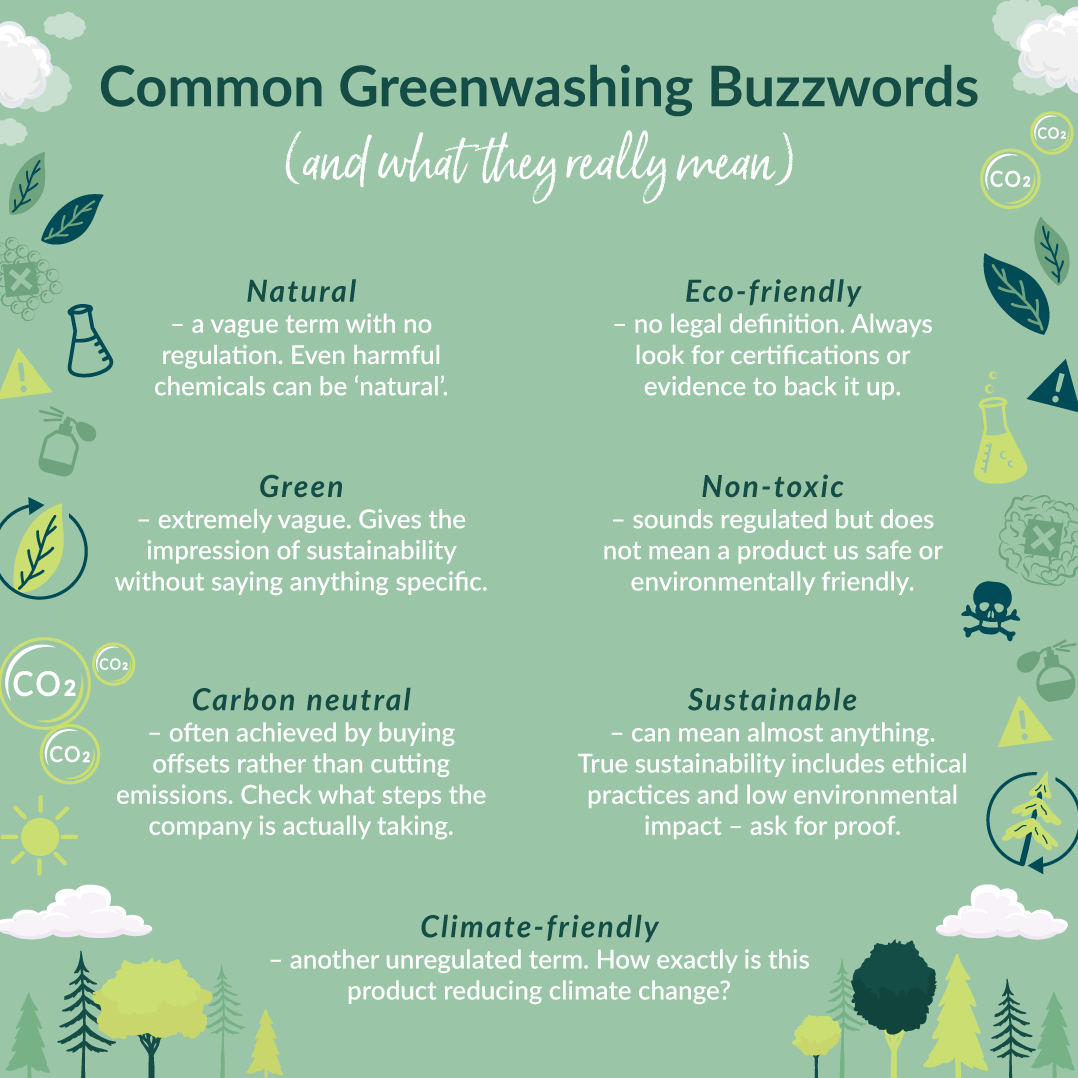
While not all sustainability claims are misleading, there are some buzzwords and tell tail signs to look out for:
-
‘Plastic-Free’ Without Context
Some products claim to be ‘plastic-free’, without explaining what type of plastic they are referring to, or which parts of the product this applies to. This is important because not all plastics are the same.
Many conventional period products contain petrochemical plastics, made from fossil fuels. These materials don’t break down safely and can leave microplastics that live in soil and water for decades.
Without context “plastic-free” can be misleading. Brands should clearly distinguish between fossil-fuel derived plastics, and certified compostable, plant-based alternatives.
-
‘Biodegradable’ or ‘Compostable’ Without Proof
The terms ‘biodegradable’ and ‘compostable’ are often used interchangeably, but they are not the same.
Most materials will degrade eventually, including plastics made from petroleum. But when petrochemical plastics degrade, they can release microplastics, heavy metals, and toxic chemical residues into the environment.
True composability, by contrast, requires meeting specific standards under controlled conditions. Compostable products are designed to break down into safe, usable components such as water, carbon dioxide, and nutrient rich biomass. Without recognised certification, claims of composability or biodegradability risk being misleading and mask environmental harm.
-
Vague Language Like ‘Eco’ or ‘Natural’
Words such as ‘green’, ‘eco-friendly’, or ‘Natural’ sound reassuring, but on their own they are poorly defined and difficult to substantiate.
Regulations now exist to limit the misuse of vague environmental claims, precisely because they can mislead consumers. However, packaging claims are not policed, meaning responsibility often falls on the consumer to question them.
Without supporting detail such as material sourcing, end-of life outcomes, vague claims offer little real information.
-
Sustainability Imagery Over Substance
Earthy colours, and leaf icons are often used to suggest environmental responsibility. While branding can reflect values, imagery alone does not tell you whether a product is truly sustainable. True sustainability is demonstrated through transparency, not aesthetics.
How to Spot Genuine Sustainability Claims
When brands are transparent, this is one of the clearest indicators of whether a sustainability claim is real, or just marketing. Here are a few things to look out for:
-
Clear, Specific Information
Trustworthy brands explain what their products are made from and why. Look for full ingredient disclose (do the numbers add up to 100%?), material breakdowns and explanations.
-
Recognised Certifications
Independent certifications matter because they verify claims against strict and universal standards. For example:
- Ingredients grown organically and processed to certified organic standards, for example the Global Organic Textile Standard (GOTS) in the case of cotton.
- Composability standards
- Independent testing for chemicals of concern e.g. Made Safe
-
Evidence Over Ambiguity
Truly sustainable products don’t rely on buzzwords to sell, they are supported by facts, independent testing and are accountable for their claims.
The Consequences of Greenwashing
Greenwashing doesn’t just confuse customers; it undermines trust. When people realise that they’ve been misled, it creates scepticism towards sustainability claims altogether, impacting genuinely responsible brands.
Greenwashing is especially undermining. Choosing period and personal care products should feel empowering, not confusing. We ought to know what exactly we are using on our bodies and what impact those choices have on our planet.
when we…. Demand Better
True sustainability is not just about removing one ingredient, or changing packaging, it is about the entire lifecycle of a product. As conversations around plastic waste, and chemicals in period care grow, this is an opportunity for manufacturers and consumers to come together and move towards meaningful change and better regulation.
When we are informed, we can ask questions about materials, sourcing, and certifications, support brands that prioritise transparency, and share knowledge to help others make informed decisions about their health and the environment.
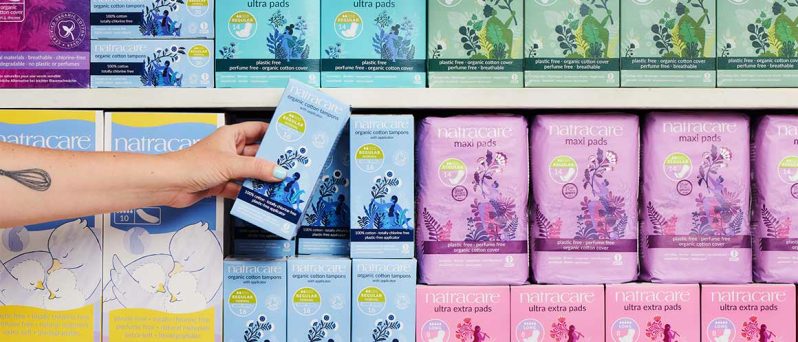
At Natracare, sustainability has been part of who we are from the very beginning. Our products are made with plant-based materials, certified organic cotton, and without unnecessary chemicals of concern. All Natracare products are vegan and cruelty free, designed with both human health and environmental impact in mind.
when we demand better, we raise standards for everyone.