In a society that glorifies hustle culture and the constant grind of productivity, exhaustion and professional success, it can be difficult to accept that this relentless pace of life is not sustainable, especially for those with a menstrual cycle, or experiencing hormonal changes like the menopause or endometriosis. Long workdays, emotional labour, caregiving, financial pressure, social media, and keeping life ‘in-check’ leaves very little time for rest. Over time, constant “doing” takes a toll not just on our mental wellbeing, but on our hormones too.
Hormones are deeply connected to how safe, rested, and supported our bodies feel. When stress becomes chronic, it can disrupt this delicate balance, affecting everything from our hormone and menstrual cycle, and sleep, to our energy levels and mood. Understanding this connection and listening to your body is a powerful form of self-care.
Rethinking Hustle Culture
Hustle culture emerged alongside the rise of tech start-ups in the early 2000s, normalising 12-hour workdays, minimal rest, and constant productivity as markers of success. Social media has amplified this mindset, with curated routines and “self-improvement” content often presenting an unrealistic image of what it means to thrive.
While ambition and professional fulfilment can be positive, hustle culture has significant impacts on mental health. Chronic stress, anxiety, and burnout have become increasingly common, promoting a growing shift towards slower schedules and nervous system regulation.
The Link Between Stress and Hormones
When we experience stress, our body releases cortisol, often referred to as the ‘stress hormone’. In short bursts cortisol is helpful. It is part of the fight or flight response that helps us respond to challenges and keeps us alert. But when stress is ongoing, cortisol levels can remain elevated for long period of time, signalling to the body that it’s not safe to rest, repair, or reproduce.
For people with periods, chronic stress can interfere with the delicate balance of oestrogen, progesterone, and other reproductive hormones. It can suppress ovulation, disrupt the menstrual cycle, or place strain on the hypothalamic-pituitary-ovarian (HPO) axis (the system that regulates your hormones).
How Burnout Can Manifest Itself in the Body
Everyone experiences stress differently, but ongoing burnout can contribute to hormonal symptoms such as:
- Irregular, missed, or heavier periods.
- Worsening PMS or PMDD symptoms.
- Persistent fatigue
- Poor sleep quality
- Mood changes or increased anxiety.
- Low libido or feeling disconnected from the body.
These symptoms are signals from your body that it needs more care, support, and rest.
Why Slowing Down Supports Hormonal Balance
Rest isn’t just about sleep or having ‘active rest’ days from exercise. It’s about giving your nervous system the opportunity to move out of fight or flight’ and into a state where regulation, and healing can happen.
When stress levels reduce, cortisol levels fall allowing other hormones to function more effectively. This can support:
- More regular menstrual cycles
- Improved energy and recovery
- Better sleep and mood stability
- Reduced inflammation and tension
Slowing down helps your body feel safe again, which is essential for hormone health.
What Does Rest Really Look Like?
In a culture that often equates rest with laziness, it is important to remember how important it is for our bodies to function well. Without rest we cannot perform well at work, in relationships, during exercise, or hormonally. Rest can look different for everyone, it might include:
- Choosing gentle movement instead of high intensity workouts
- Taking a 5-minute break from your screen every hour can help wellbeing and concentration.
- Setting boundaries and saying no without guilt
- Practicing deeper, slower breathing throughout the day.
- Syncing your energy and activity levels with your menstrual cycle.
Small, consistent shifts allow your body to enter its rest and digest state and make a meaningful difference over time.
Supporting Your Body Through Your Cycle
Hormone levels naturally fluctuate throughout the month, and stress can amplify how these changes feel. Many people find they need more rest during the luteal phase, and during their period, when energy tends to be lower and the body is already working hard.
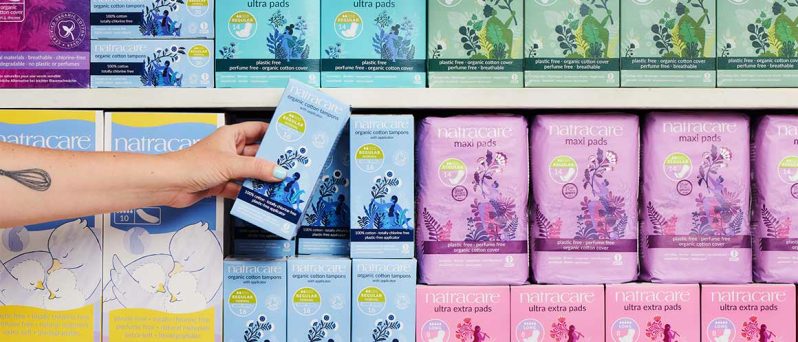
Listening to these rhythms, is an act of kindness that as a society, we have allowed to slip out of our routines. Supporting yourself during your period can include choosing period products that’re gentle, breathable, and made with plant-based materials, helping you feel more comfortable when your body is more sensitive.
Rest as Resistance
Choosing to slow down in a world that demands constant output can feel unusual. By prioritising rest, we challenge systems that value productivity over wellbeing and reclaim self-care as something essential, not indulgent. Supporting your hormones through rest is about long-term health, sustainability, and kindness towards your body.
If stress or burnout has been affecting your cycle, energy, or mood, you’re not alone. Your body is communicating with you and deserves to be listened to. Slowing down won’t fix everything overnight, but it is a powerful place to start. Sometimes, the most supportive thing we can do for our hormones, and ourselves, is to rest.